
Written by Jason McKeown (images by John Dewhirst)
The joy usually gives way to pain.
Throughout Bradford City’s history, promotion has often been followed by a harsh adjustment to life at a higher level. Their first two promotions brought 18th-place finishes the following season (1908/09 and 1929/30). There was a respectable 10th spot in 1969/70, but also immediate relegation in 1977/78. They came 12th in 1982/83 and 13th in 1986/87 – the season after the Valley Parade fire, where they decamped to Odsal.
The newly promoted seasons of 1996/97 and 1999/00 saw City narrowly avoid relegation, thanks to last-day home wins. And though their last campaign as a newly promoted club before this season – 2013/14 – was a much comfier 11th, a mid-season run of one win in 21 punctured the vibes.
This has usually been the Bradford City experience. Promotion brings exhilaration, but you’re swapping the bliss for rarer victories, tough days at the office and slowly coming back to earth with a bump.
Until now.
In 2025/26, City rewrote everything we thought we knew about life as a newly promoted club. They adapted quickly, improved significantly and recorded the club’s highest-ever finish as a newly promoted side. They nearly – oh so nearly – made it back-to-back promotions.
And that’s why, as magical as 2024/25 undoubtedly was, what City have achieved this season feels even more impressive.

Fast out the blocks
The finest of margins made the biggest of differences. Promotion the previous season, secured in the 96th minute against Fleetwood Town, involved the luckiest of deflections. It could have been so, so different.
Nevertheless, the way they went up emboldened City. They carried the momentum and confidence of that dramatic afternoon into an ambitious approach to the new season.
Their success was a surprise from the outside but clearly no accident. From a clinical recruitment strategy that saw captain and reigning player of the season Richie Smallwood surprisingly let go, to quick transfer business that meant the squad was almost completely built before a pre-season camp in Austria, City oozed swagger and purpose.
Even pre-season hinted at what was coming. A 2-0 win over Championship Middlesbrough carried an intensity and organisation that immediately stood out. City looked sharp, organised and desperate to get going.
They wasted little time once the campaign began.
Inside 13 minutes of the opening game, City were already 2-0 up against beaten play-off finalists Wycombe Wanderers thanks to goals from Antoni Sarcevic and Bobby Pointon. It set the tone for a blistering opening two months.
Luton Town arrived at Valley Parade next and were blown away. Then came an impressive away victory at pre-season title favourites Stockport County, followed by a thrilling 3-2 win over fellow promoted side AFC Wimbledon. Will Swan scored the winner that afternoon and kept scoring again and again, giving birth to his catchy chant.
The momentum spread into the cups too.
At Blackburn Rovers in the League Cup, City raced into a two-goal lead inside five minutes before holding on for an eye-catching 2-1 victory. Stoke City were then dismantled 3-0 away from home. In the EFL Trophy, Andy Cook marked his long-awaited return from injury with two goals against Grimsby. A fairytale moment, even if City’s much-loved cult hero wasn’t going to get his own Bantams happy ending.
The belief only grew.
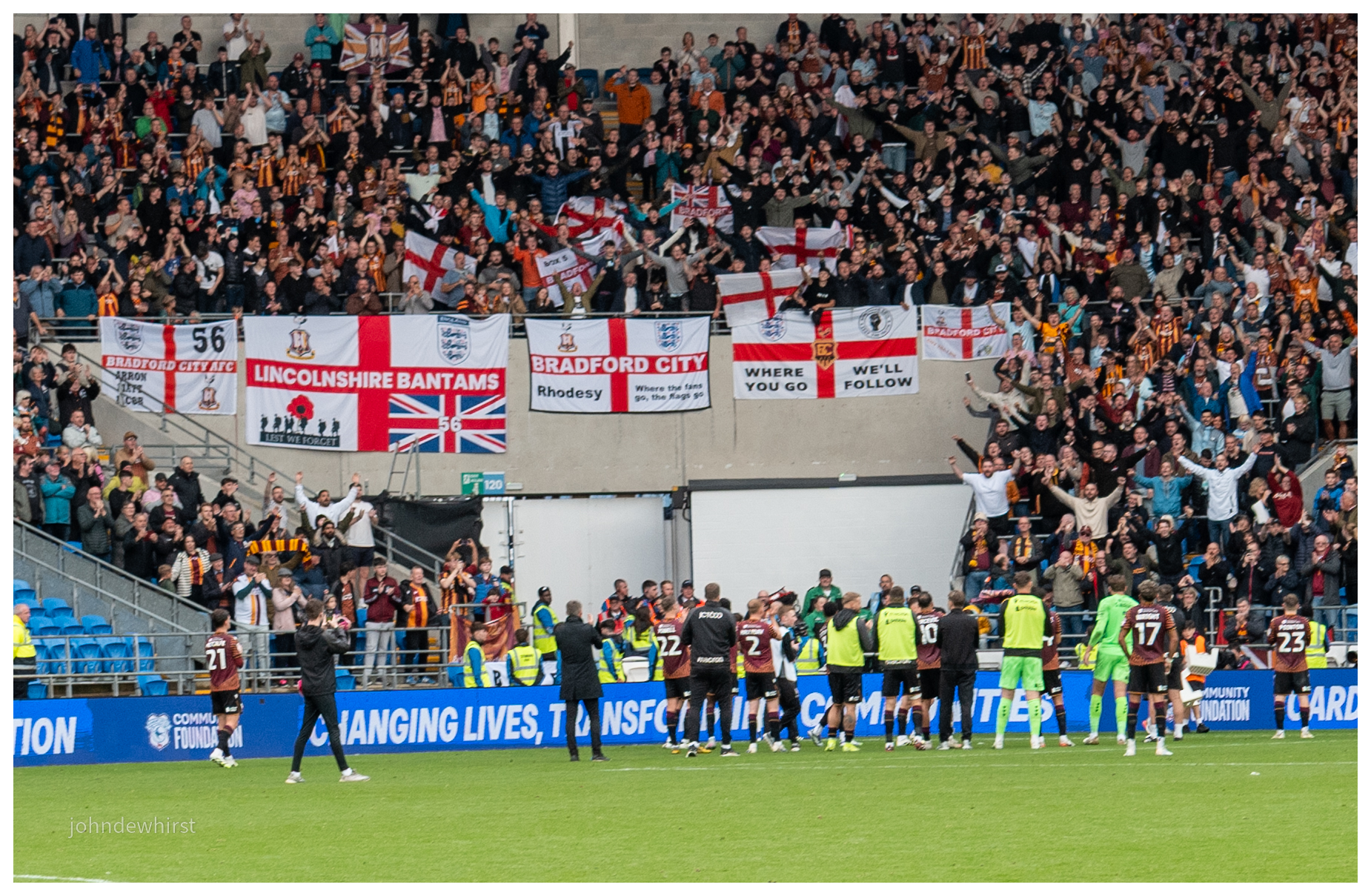
On successive Saturdays, City tore into Huddersfield Town and Cardiff City, racing into three-goal leads both times. Beating Huddersfield carried obvious emotional weight, especially with local lad Pointon scoring twice. Cardiff away felt even more remarkable. And suddenly Bradford City were top of League One.
It all felt faintly surreal.
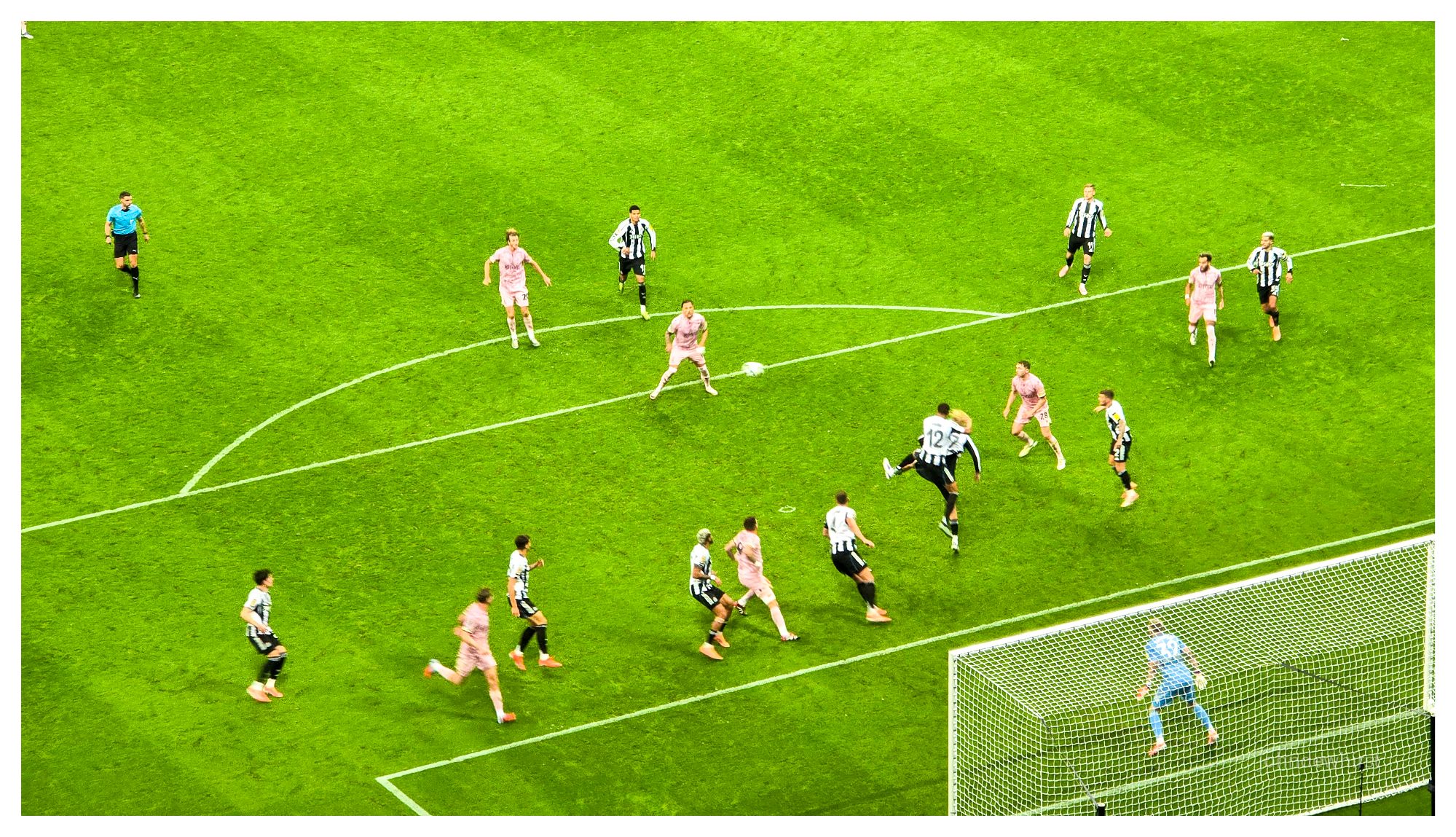
Then came Newcastle United away in the League Cup. More than 5,000 City supporters headed to the North East and produced a wall of noise. Cook scoring against the club he supported as a boy was one of the moments of the season.
City lost 4-1.
But they were gaining even more admirers.

The levelling off
Playing Newcastle was exhilarating, but perhaps also clarifying. For the first time all season, City looked a level below their opponents. A seed of doubt was planted in minds. The sense of unstoppable momentum faded slightly afterwards.
Not dramatically. There was no collapse. But the sharpness dulled.
A scrappy 1-0 win over Blackpool lacked fluency. A 2-2 draw with struggling Rotherham frustrated. City lost control of a thrilling contest with Barnsley after dominating. Draws at Stevenage and against Lincoln carried the same theme: still competitive, but no longer overwhelming opponents.
The standards they had set for themselves had become impossibly high.
Defeat to Cheltenham in the FA Cup was disappointing, as was a first home league loss against Burton Albion. Qualification from the EFL Trophy group had already been secured comfortably – helped by a 5-1 demolition of Everton’s youngsters – but defeat at Doncaster still prompted some strong post-match words from Graham Alexander.
The result was a second wave of City progress.
Following an encouraging draw at Bolton Wanderers, City won five of their next six league games. They were not spectacular victories, but they were mature ones: narrow wins over Exeter, Plymouth Argyle and Port Vale, a controlled success against Reading, and a chaotic Boxing Day triumph over nine-man Wigan Athletic secured by Joe Wright deep into stoppage time.
The football was no longer quite so exhilarating. The resilience, though, wasn’t going anywhere.
There were still setbacks. Leyton Orient beat them shortly before Christmas. City exited the EFL Trophy at Bolton. A limp New Year’s Day defeat at Mansfield briefly raised anxiety levels before a superb away victory at Blackpool immediately restored calm.
City were motoring along nicely, if not hitting those same high gears of earlier in the season. And as much-loved but now unfancied promotion heroes Cook, Brad Halliday and Alex Pattison exited, new faces arrived aimed at strengthening City’s automatic promotion prospects.
January reality check
By late January, however, the season threatened to wobble badly.
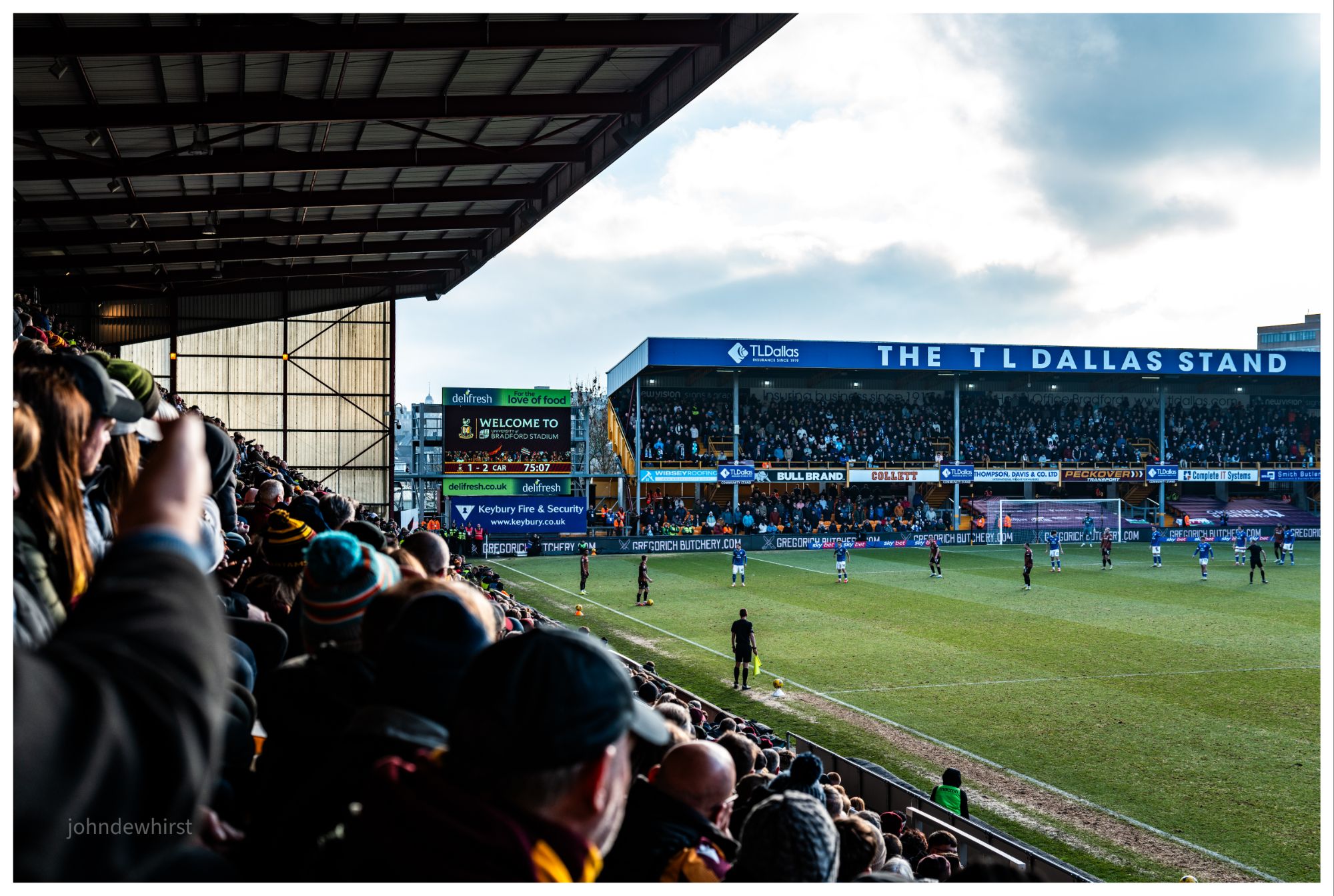
A narrow home defeat to Cardiff was respectable enough. What followed was not.
City were dreadful in losing meekly at Huddersfield before being comprehensively dismantled 3-0 by eventual champions Lincoln City at Sincil Bank. The top-two dream died that night. New arrivals such as Louie Sibley, Harrison Ashby and Joe White struggled as City were outclassed.
For the first time all season, a collapse genuinely felt possible.
Instead, City regrouped.
Perennial bogey side Doncaster Rovers were up next as City welcomed further January arrivals in Paul Mullin, Ethan Wheatley and Kayden Jackson. The latter thought he had marked his debut with an early goal before Grant McCann’s now-infamous iPad intervention led to the correct handball decision. Eventually Tyreik Wright climbed off the bench and hammered home a spectacular late winner in front of the Kop.
It felt important. The wobbly Bantams had regained their footing.
Though defeat at Luton Town followed, City then produced arguably their best home performance since autumn in comfortably dispatching Peterborough United. Stockport were beaten days later thanks to a magnificent Sarcevic strike.
The January crisis had passed.
Automatic promotion ambitions had given way to play-off realism, but even that represented an outstanding achievement for a newly promoted side.
Ming vase territory
The closing weeks increasingly became ming vase territory. Just don’t drop it.
A strange four-month run without drawing a game made everything feel extreme. City either found a way to win or walked away wounded.
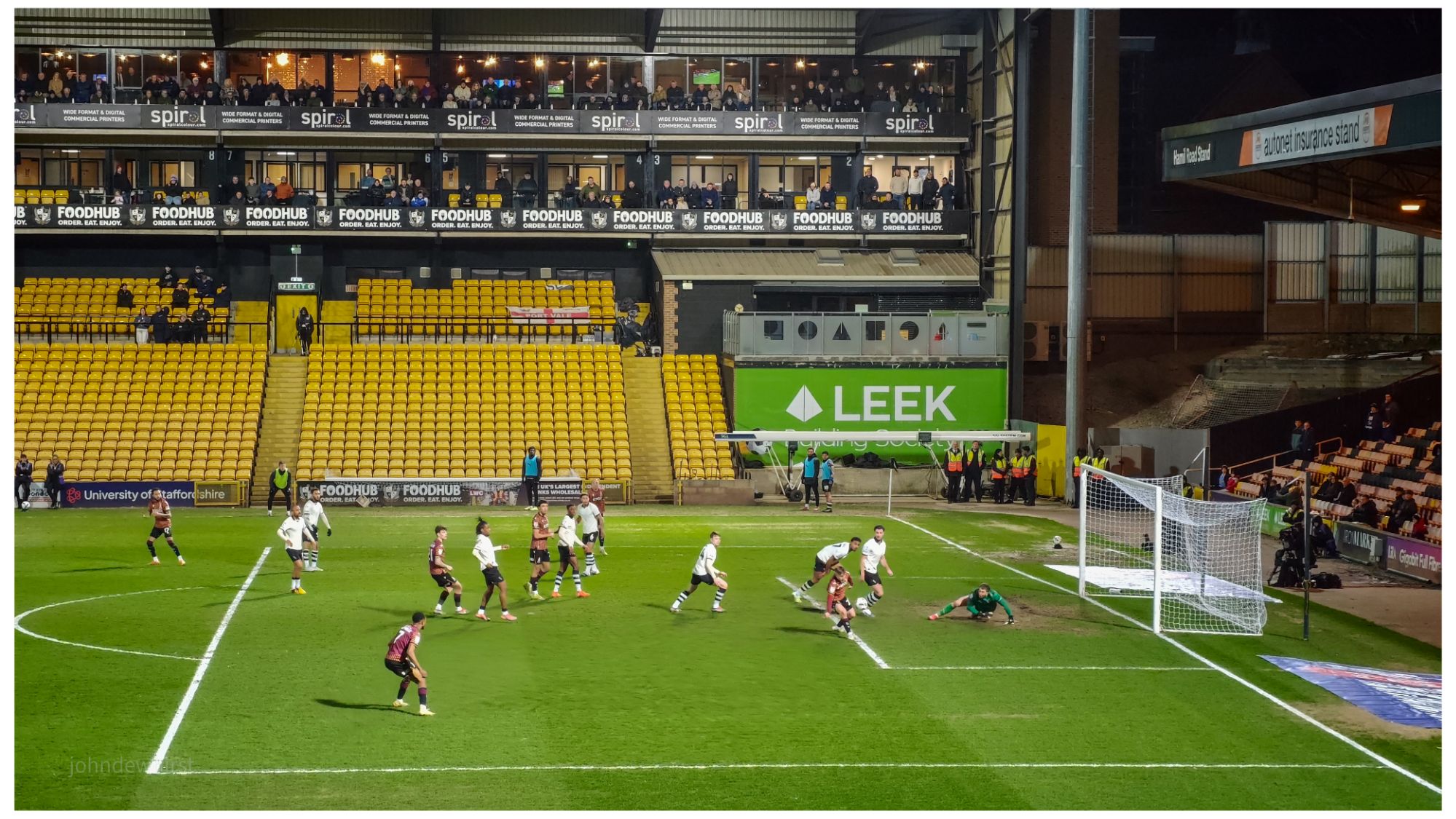
There were memorable highs. Sarcevic inspired a dramatic 2-1 win over Leyton Orient despite Aden Baldwin’s dismissal. Tyreik Wright smashed home another beauty to secure victory at Port Vale.
But the away form remained alarming.
Defeats at Wigan Athletic and Burton Albion meant City had lost nine of 11 away matches at one stage. A late collapse at Reading – turning a precious 1-0 lead into a damaging 2-1 defeat – felt especially painful. A 3-1 loss at AFC Wimbledon drew ire over squad rotation.
Yet somehow they kept moving forward. For each setback there was a response. A Tuesday 1-0 win over Rotherham was low key, but so important in edging up the overall points tally. A 1-1 draw with Mansfield, where Tyreik Wright equalised late on, felt useful. Over Easter, City beat Northampton Town before coming from behind to secure a huge away win at Wycombe Wanderers.
With five games remaining, City sat third with a nine-point cushion inside the play-off places. One more victory would almost certainly seal it.
And then the nerves arrived.
Here we go again
Anyone who lived through the 2024/25 promotion run recognised the pattern.
That season, victory over Crewe in early April had seemingly left City on the verge of promotion. They then struggled over their next four games, leaving them relying on a final day win to achieve their aim.
In 2025/26, history repeated itself.
After the Wycombe win, Stevenage arrived at Valley Parade and nicked a dreadful game 1-0. Bobby Pointon suffered an injury that immediately felt ominous. Then came Barnsley away – the closest thing to the Swindon chaos of the previous season.
An early red card. Wild momentum swings. Stoppage-time heartbreak. The sight of Jack Shepherd. Stop me if you’ve heard this before.
City drew 2-2, but it felt like a defeat.
Fortunately, they steadied themselves just enough. Draws against Plymouth and Bolton at least kept the vase intact and took the battle into the final day, where avoiding defeat at relegation-threatened Exeter City would secure a play-off place.
This time, unlike Fleetwood a year earlier, there was little chaos.
City were calm, controlled and professional at St James’ Park, winning 2-1 through an inspired Sarcevic display. The play-offs were secured. Results elsewhere elevated them to fourth place.
A remarkable achievement for a newly promoted club.
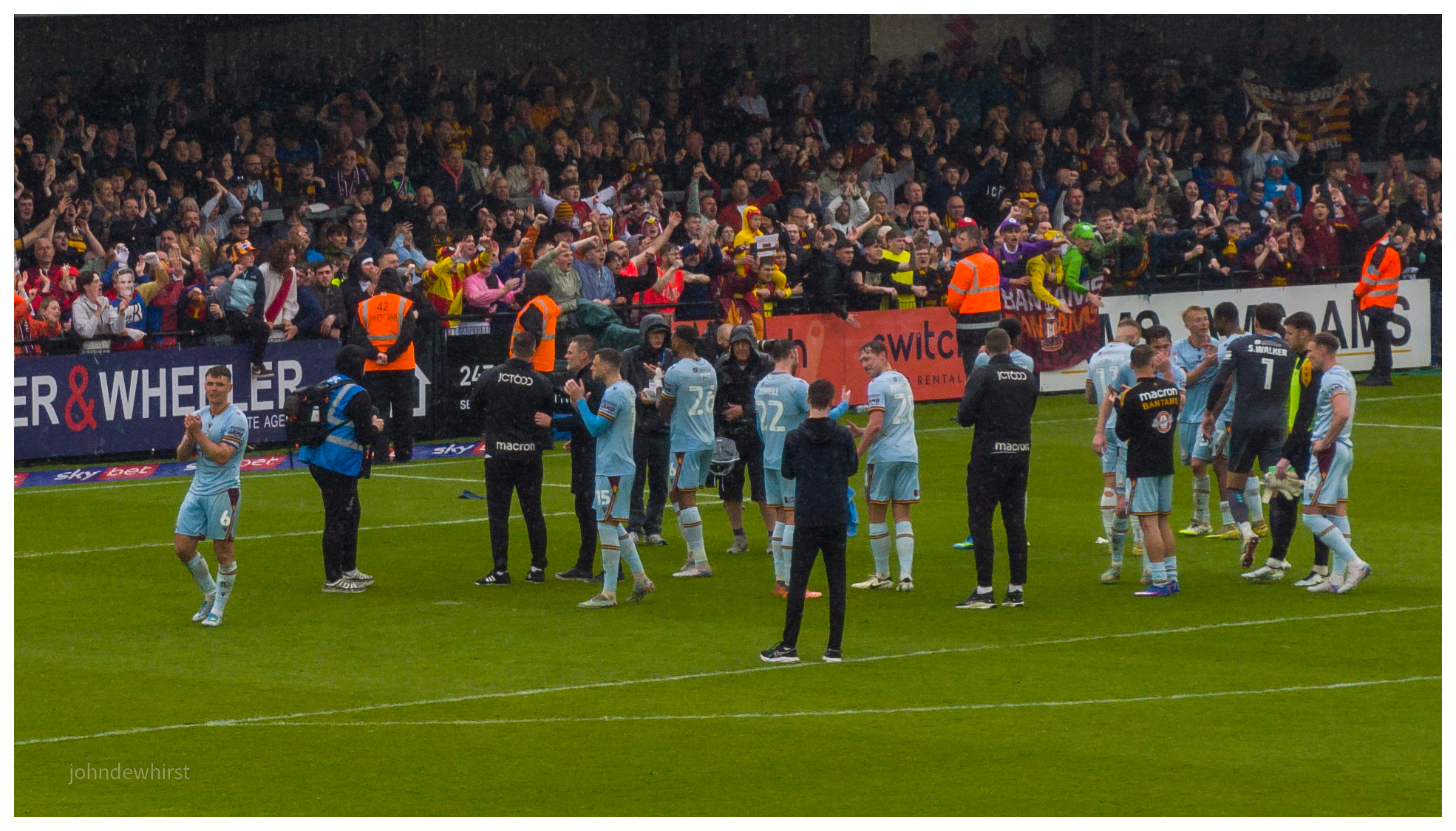
Two games too far
Ultimately, though, Bolton Wanderers proved a step too far.
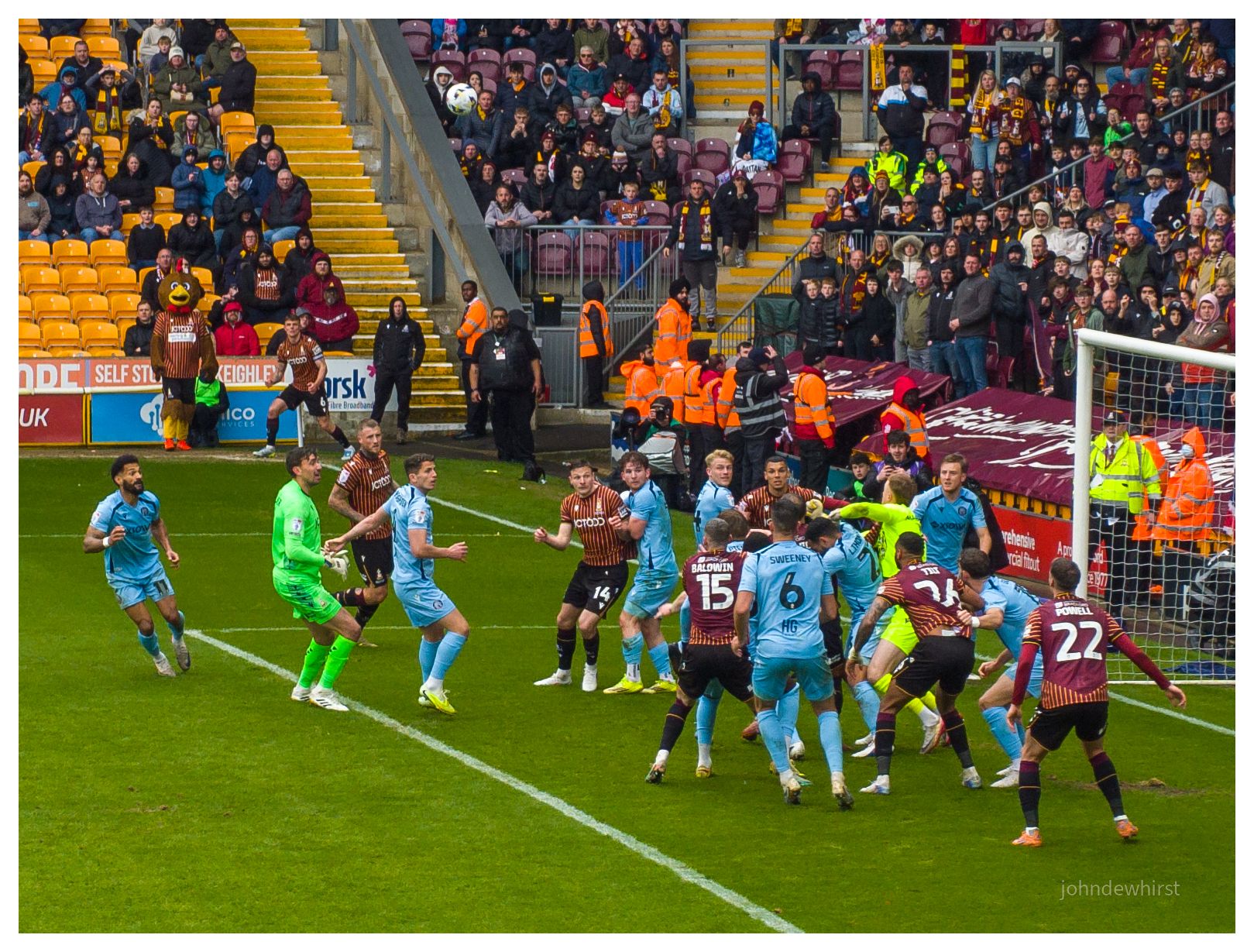
City lost both play-off semi-final legs 1-0. The margins were tiny, but over 180 minutes Bolton carried the greater attacking threat and deserved their Wembley place. City battled gamely yet struggled to create sustained pressure, registering only two shots on target across both matches.
Still, the occasion itself mattered enormously.
The atmosphere inside Valley Parade for the second leg was extraordinary and will live long in the memory. Merely reaching that stage represented a huge achievement for a side many expected to spend the season merely surviving.
In the end, it came down to the same sort of fine margins that had delivered promotion 12 months earlier.
Against Fleetwood, George Lapslie’s effort struck James Bolton’s shin and rolled kindly into the net.
This time, Tyreik Wright’s shot clipped Chris Forino and flew agonisingly wide.
Sometimes, those are the breaks.
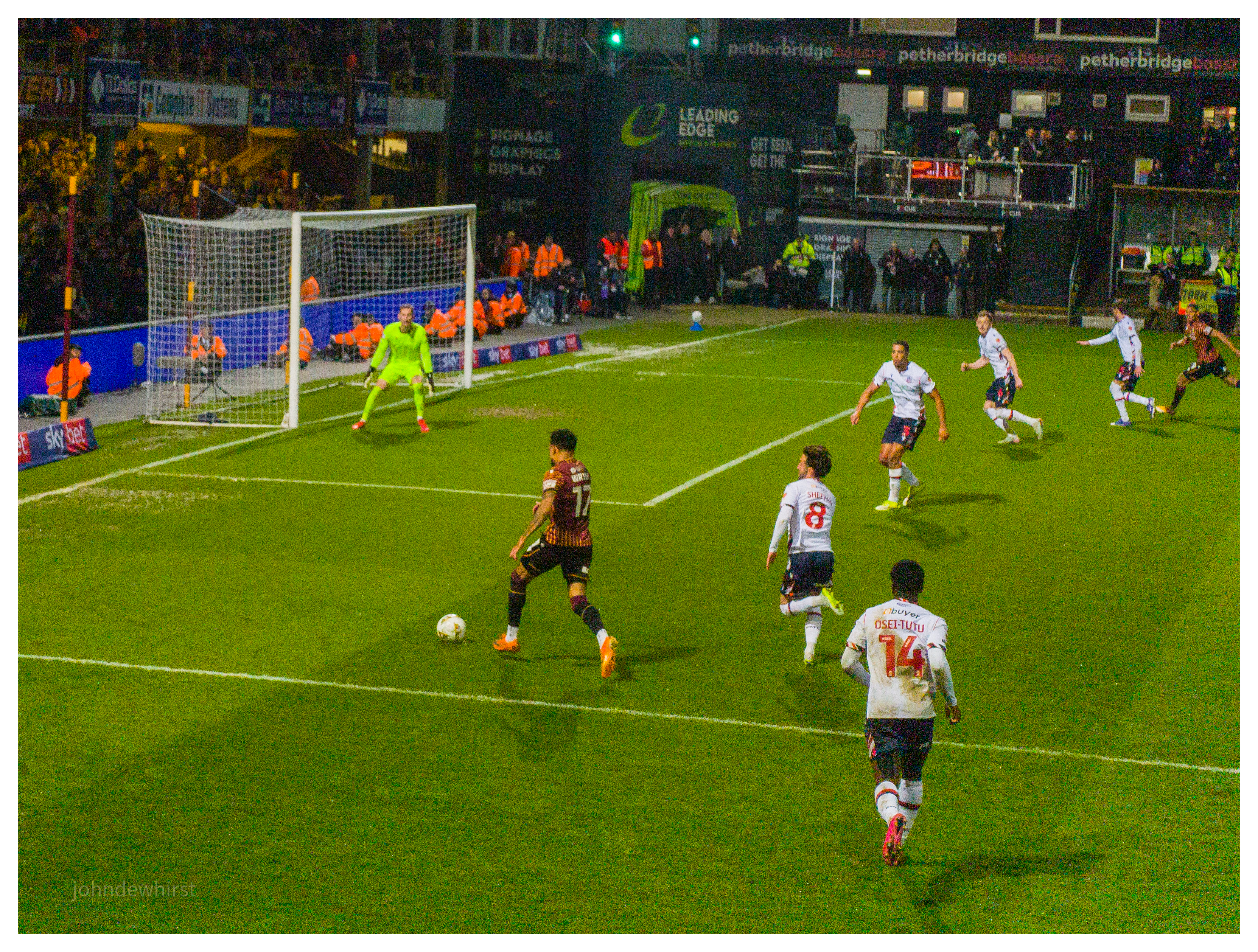
A team of men
After Exeter’s final-day relegation, manager Matt Taylor described Bradford City as a “team of men”.
It’s difficult to summarise them any better.
This never felt like a side carried by one individual. It was a proper collective. Strong personalities, relentless work ethic and remarkable consistency drove them into the division’s top four.
Sam Walker largely had a good season in goal, especially with some pre-season noise from pundits and social media experts that he was one of the weakest number ones in the division.
His form tailed off slightly during the final months, but genuine mistakes remained rare and Walker produced important saves at key moments. Behind him, Joe Hilton was restricted to EFL Trophy time only and found it impossible to dislodge Walker.
The wing backs were huge to City’s make-up and there were some really good performances. Josh Neufville perhaps exemplified the season better than anyone in starting off in exceptional form before slightly levelling off and having some bumpy moments. As opposition sides got wise to his rampaging runs as a key threat, Neufville found himself targeted and became less influential. Still, he rightly kept first Halliday and then Ashby out the side. A very good signing.
On the left the role was shared between Ibou Touray – who sometimes played wide centre back – and Tyreik Wright. Both will look back on the campaign as a personal success. Touray isn’t as attack-minded but provided real solidity and huge levels of consistency. Wright rediscovered his mojo and had a flying second half to the campaign. His injury in the run-in was keenly felt. Behind the pair, Lewis Richards did not get a look-in.

The centre backs were more settled than last season. Baldwin emerged as arguably City’s outstanding defender. The step up suited him perfectly. Calm in possession and excellent defensively, his diagonals became fundamental to City’s build-up play. Curtis Tilt overcame early scepticism to become a firm fans’ favourite, while Joe Wright and Matt Pennington both contributed strongly despite fierce competition for places.
A quick word for Ciaran Kelly, Neill Byrne and Tom McIntyre who found gametime hard to come by but at times did really important jobs. The bar had risen, and it’s no real disgrace they fell short of it.
In midfield City began with Max Power and Tommy Leigh, with the latter starting very well but ultimately looking like a forward playing slightly out of position. Jenson Metcalfe took a little bit of time to get going but then was outstanding between December and March. He speeded up the exit of Leigh on loan to Bristol Rovers – and the departure of Pattison to Walsall, after the all-action midfielder found the step up just slightly beyond his considerable capabilities.
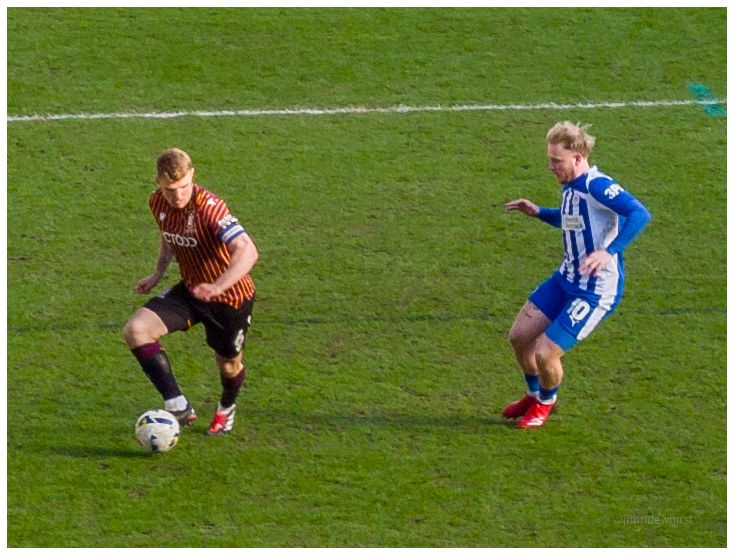
Power played 43 times and has proven a great bit of business. To come in and take over as captain of a strong dressing room that had just lost its popular leader – Smallwood – was not easy, but he relished the challenge, imprinted his own style (like the team huddle and post-match fist pumps), quickly commanding everyone’s respect.
Power is a good captain that has largely delivered seven out of 10 performances each week. And he can take plenty of credit for the positive influence he will have had on Metcalfe’s performances.
Power and Metcalfe were so good that January arrivals Joe White and Lee Evans could barely get a look in. It also deterred Alexander from changing shape, which severely limited the prospects for George Lapslie and Louie Sibley.
The wide forwards in the 3-4-3 were the main source of City’s goals. Pointon bagged 10 and Sarcevic 11. In a similar manner to Baldwin, Pointon thrived at the higher level, benefiting from the extra space and time League One often offered technically gifted players. His reputation grew enormously over the campaign and rightly so.
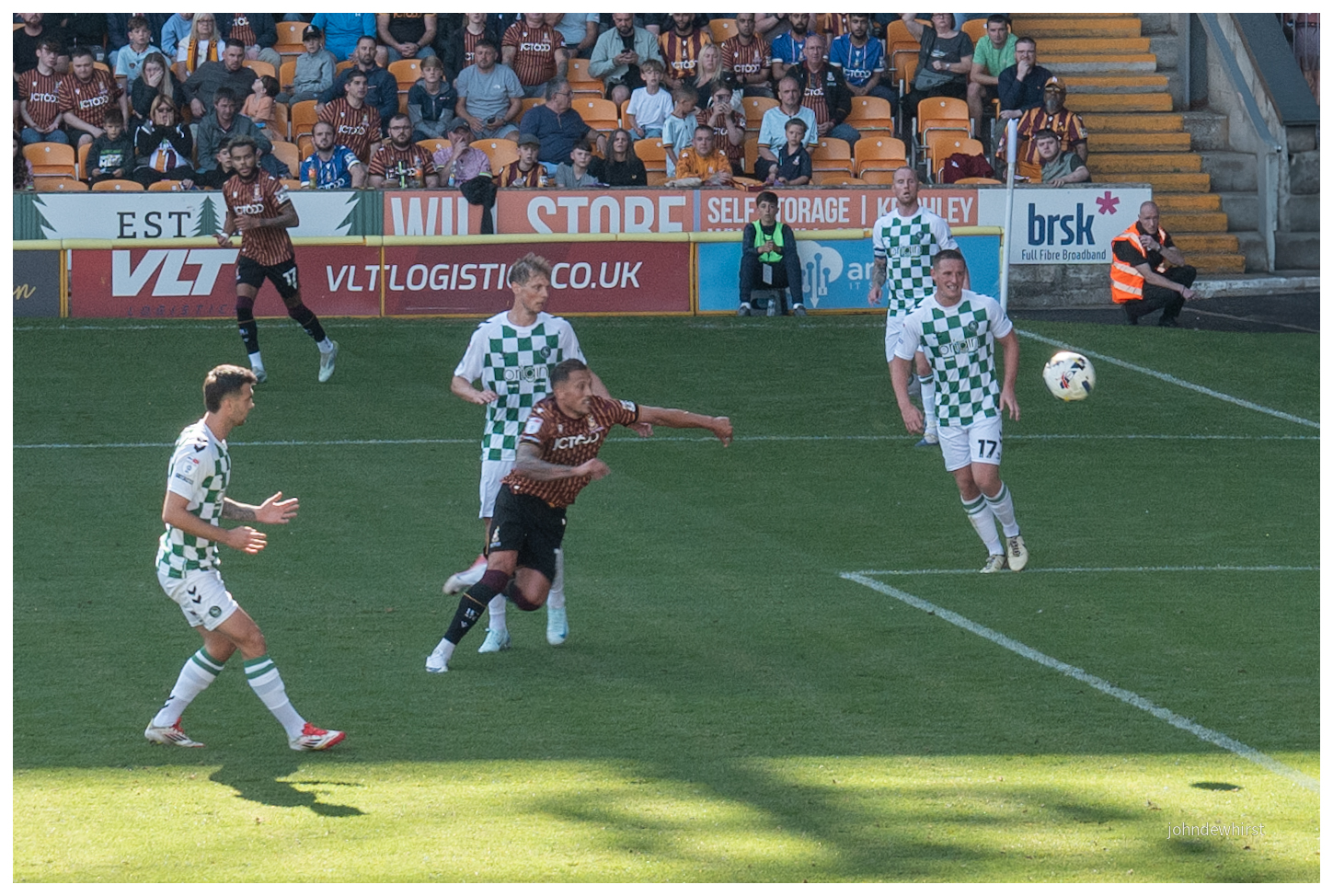
Sarcevic was simply Sarcevic. Intelligent, elegant and endlessly decisive. Even at this stage of his career he remains capable of bending matches to his will. It’s such a privilege to watch him play.
Pointon and Sarcevic’s brilliance further hindered Lapslie, who spent so long on the sidelines but suddenly came back into things right at the end and did really well. At other times when Pointon or Sarcevic weren’t available, the wide forward slots were occupied by Tyreik Wright, Jackson and Stephen Humphrys.
What a strange season it was for the latter. He looked unplayable up top on day one. And there’s little doubt the very best version of Bradford City this season included Humphrys leading the line. But it never quite worked as well as we all hoped it would. The goals did not flow, coming in occasional bursts. The debate over his best position never went away, and when Humphrys himself admitted he found elements of playing up front boring it said much about his failure to truly grasp the big opportunity that was there for him.

With Swan unable to maintain his early burst of goals, the number nine became a problem position. City tried to fix it in January by signing Jackson, who started well in the role but got injured. Ethan Wheatley – lured away from Northampton – was the next to try. The Manchester loanee had promise, but ultimately expectations weighed too heavily on the 19-year-old’s young shoulders. It kept threatening to burst into life, but it didn’t.
At least Wheatley got to start games. Paul Mullin was awarded that status just twice – both away from Valley Parade. He spent much of his loan spell as an unused sub, before not even making the squad once Nick Powell returned from injury. In some ways Mullin didn’t get a chance, but the truth is he didn’t look like the player City needed at all to make the 3-4-3 work. Just a really odd signing.
Mullin arrived just as Cook and Calum Kavanagh had headed out the door.
We all hoped Cook would return from injury and regain his status as the king of Valley Parade. But football rarely works sentimentally. City had evolved into a different kind of side and Cook no longer quite fitted the demands of it. That reality hurt, but it also reflected how quickly standards had risen. At least we will always have that night at Newcastle.
Kavanagh’s departure was less mourned, but it was a shame it ultimately didn’t work out for him. He did a fine job filling Cook’s shoes last season, but starting this campaign with an injury left him playing catch-up as City’s standards rose so quickly.
Nick Powell was the other guy who shared attacking opportunities. One start (at Newcastle), seven months out injured, before a late season series of cameos off the bench that varied in effectiveness. Still, his goal at Barnsley was a lovely moment.
A season to remember
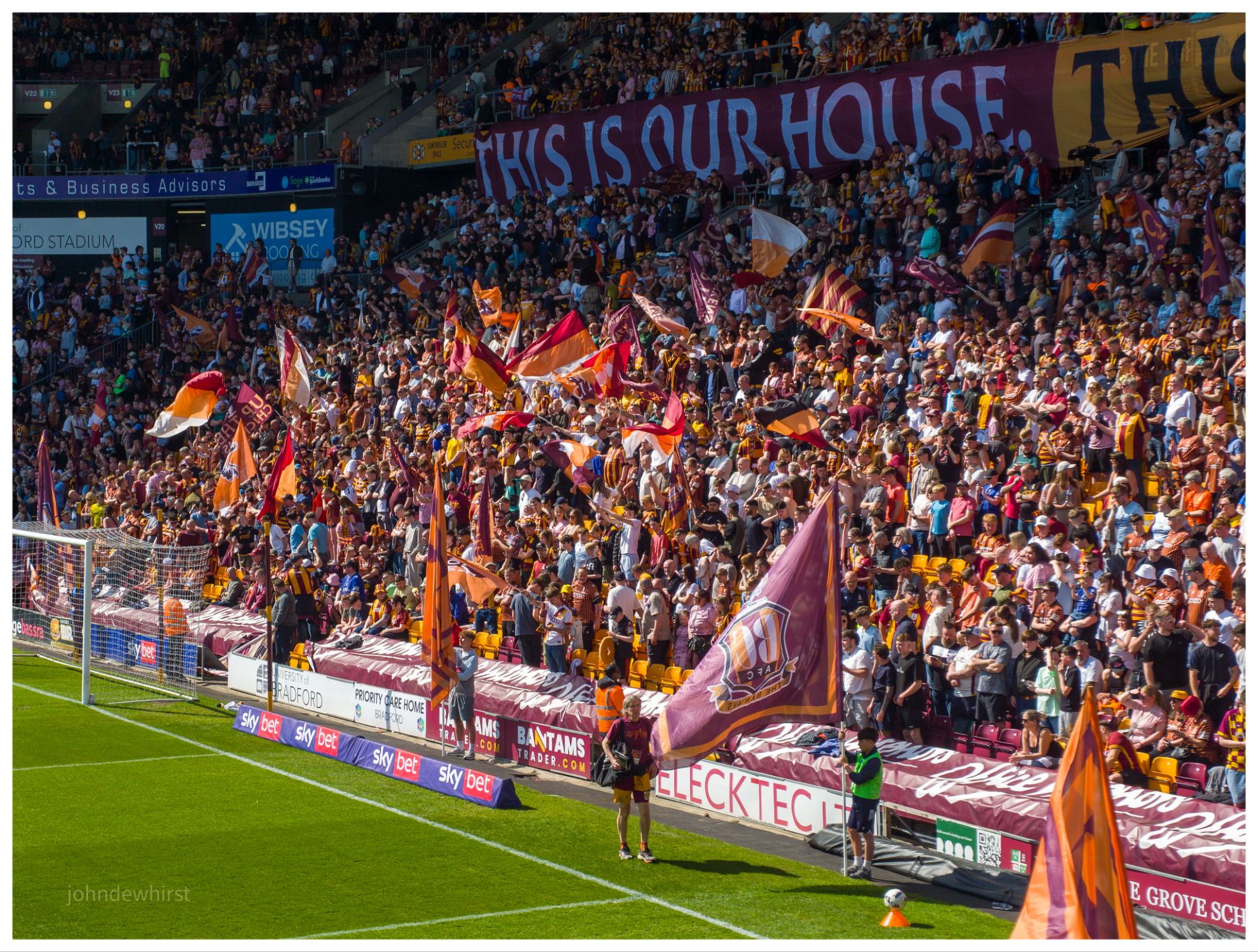
It was such a fun year. The blistering start. The way they hung on and kept going. City climbed into the top six after game three and stayed there to the end.
There were brilliant goals everywhere. Touray at Blackburn. Sarcevic vs Stockport (twice). Leigh at Cardiff. Humphrys’ backheel against Barnsley. Metcalfe’s strikes against Port Vale and Cardiff. Tyreik Wright’s collection of screamers. Pennington’s thunderbolt at Reading. Jackson’s volley against Bolton.
Perhaps the best goal of the season came against City: Rhys Cleary’s outrageous halfway-line effort for Barnsley. The best save of the lot was also by an opposition player – Bolton’s Jack Bonham’s fingertip onto the bar effort from Power’s long-range piledriver in the play-offs was astonishing. The best opposition player was Newcastle’s Bruno Guimarães, who was incredible.
This was the season where early doors it seemed every team that City defeated sacked their manager shortly afterwards. The bizarre Nathan Beck social media saga. Grimsby Town slowly becoming Bradford City’s unofficial reserve side. The Bantams of the Opera guys performing at the BBC Sports Personality of the Year and the FA Cup Final (whilst unveiling next season’s home shirt). The excellent BBC Radio Leeds City podcast. Nathan Evans’ amazing stats. Gaz Walker’s superb post-match video reviews for the West Yorkshire Football Show. Reaching the 3rd round of the FA Youth Cup. Bradford City women getting promoted. The beautiful pink kit (well I liked it anyway). Self-serving pints in the Midland Road stand (don’t forget the rest of us!) ‘You’ve been pecked by the chickens’ memes creating a global social media trend. The guy who did the chicken dance to Doncaster fans. Huddersfield Town’s ongoing dysfunction – City have finished above them for the first time in 22 years.
Being in a higher league really was fun. Larger away followings at Valley Parade. Revisiting grounds that had disappeared from the fixture list for years. Bigger occasions. Better football. More edge to everything.
Mostly, though, it was simply about how good City were.
From the first whistle in August until the final play-off defeat in May, they competed with courage, intensity and ambition. Nobody quite knew what awaited them after promotion. Very few of us imagined something this memorable.
In the end, the joy did finally give way to pain.
But only at the very end. Only after an adventure that surpassed all expectations.
And even the bitterness of losing to Bolton cannot overshadow what this season became: proof that life after promotion does not always have to hurt.
Sometimes, it can be just as special.
Categories: 2025/26 season review, Season Reviews


brilliant summary of the season
A simply brilliant article. You should forever pin it to the top of the homepage so that when times get difficult, and fans get fickle, they can relive the good times instead.
Excellent article. Like many City fans I’ll be watching developments very closely over the summer, the potential is there for us to compete again and take the step up to the Championship – ownership of the club remains a key issue.
Great article. Great City. Great time to be a City fan.
which leaves us with a championship fanbase
a not quite championship level ground
and a definitely not championship owner
some tough next steps ahead…
Well done City would have settled for that before a ball was kicked.
Well plsyed and well written.
Thank you Jason for yet another superbly written piece, which expertly and comprehensively sums up an unforgettable season.
Can we carry the momentum into a third amazing season ? Perhaps on the back of the “feel good” of a second World Cup win in a few weeks 🤣
Great read Jason
In the paragraphs where you mention memorable off the pitch side show moments of the season, you missed off the cracking articles from the Width of the post team…Then again, that’s just a continuation of every season..
Cheers