
| Bradford City 0 |
| Leyton Orient 0 |
Written by Jason McKeown (images by John Dewhirst)
The problem with going for the continuity candidate is that it’s difficult for first impressions to feel fresh. And while there is widespread approval of Bradford City’s decision not to reinvent themselves, there was a curious stench of staleness to this stalemate.
The Michael Duff era began not with a bang, but a shrug. It was all very, very meh. Comfortingly familiar, but with a shade of greyness painted over everything. This was the team Graham Alexander would have picked, the formation and tactics he’d have employed. Yet like a cover version played note for note, somehow the same tune didn’t sound quite as good. This was the Bradford City we know and love, except it wasn’t. The tune was familiar. The feeling wasn’t.
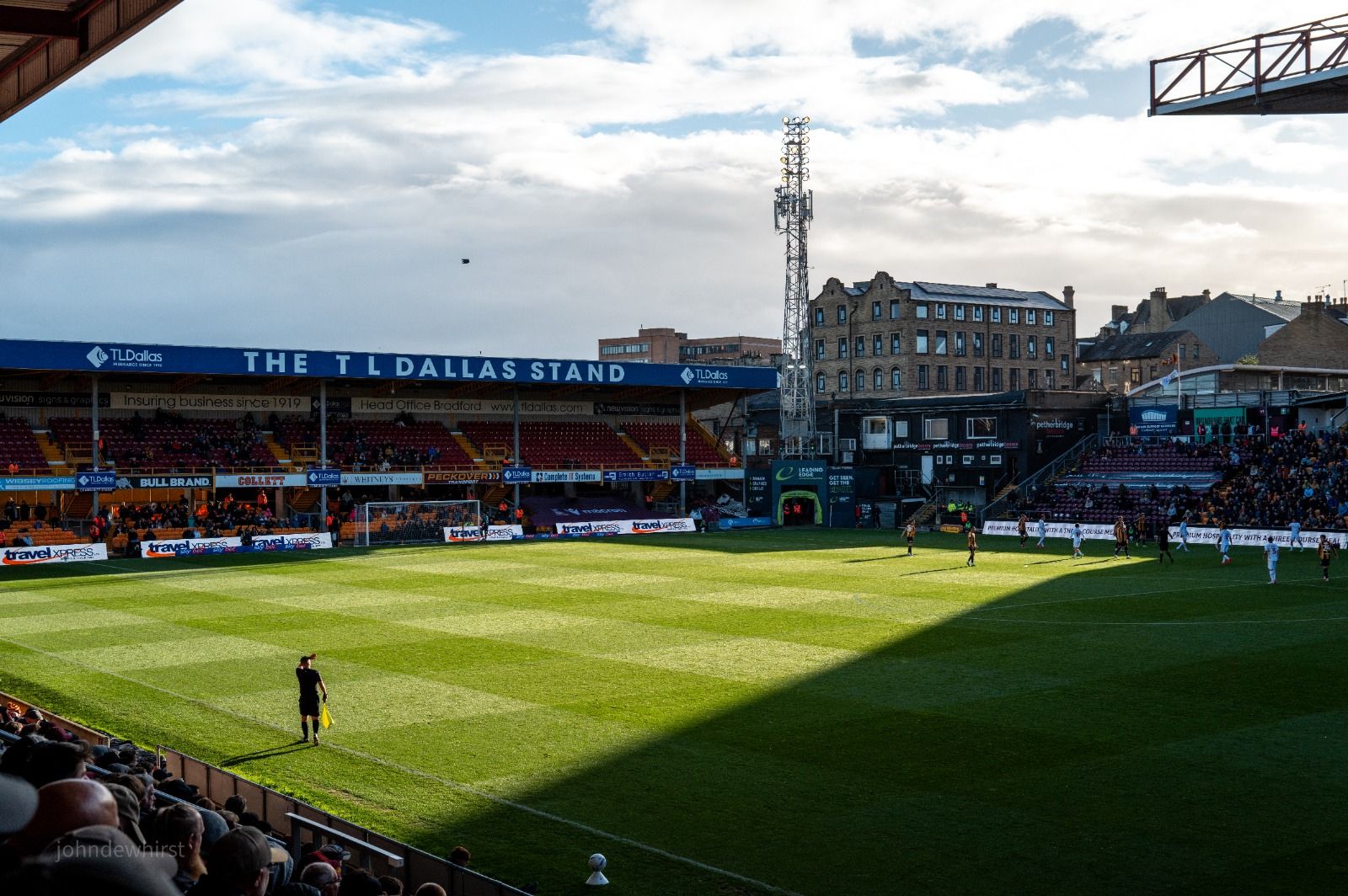
Obviously it would be silly to blame this on Duff. What had seemed on paper to be a kind first league fixture in charge actually proved to be an irritating pain. Leyton Orient came not to play but to stink the place out. They matched City’s 3-4-3, played deep, showed little interest in keeping the ball and took advantage of weak refereeing to time waste their way to a useful away point. They spoilt the occasion in the most un-Richie Wellens of ways. 30% possession and just 92 accurate passes all afternoon, compared to City’s 335.
Leyton Orient are of course entitled to play any way they want. It’s been a tepid start to the season for the Os, after a really difficult campaign the year before. From a distance, the noises suggest supporter and boardroom patience in Wellens might be starting to run out. And when you’re travelling to the joint league leaders, who recently beat you comfortably in the cup on your own turf, there probably isn’t much room for a principled defeat.
So pragmatism was deployed and pragmatism paid off. Orient didn’t gain any friends for the way they played, but they did gain a point.
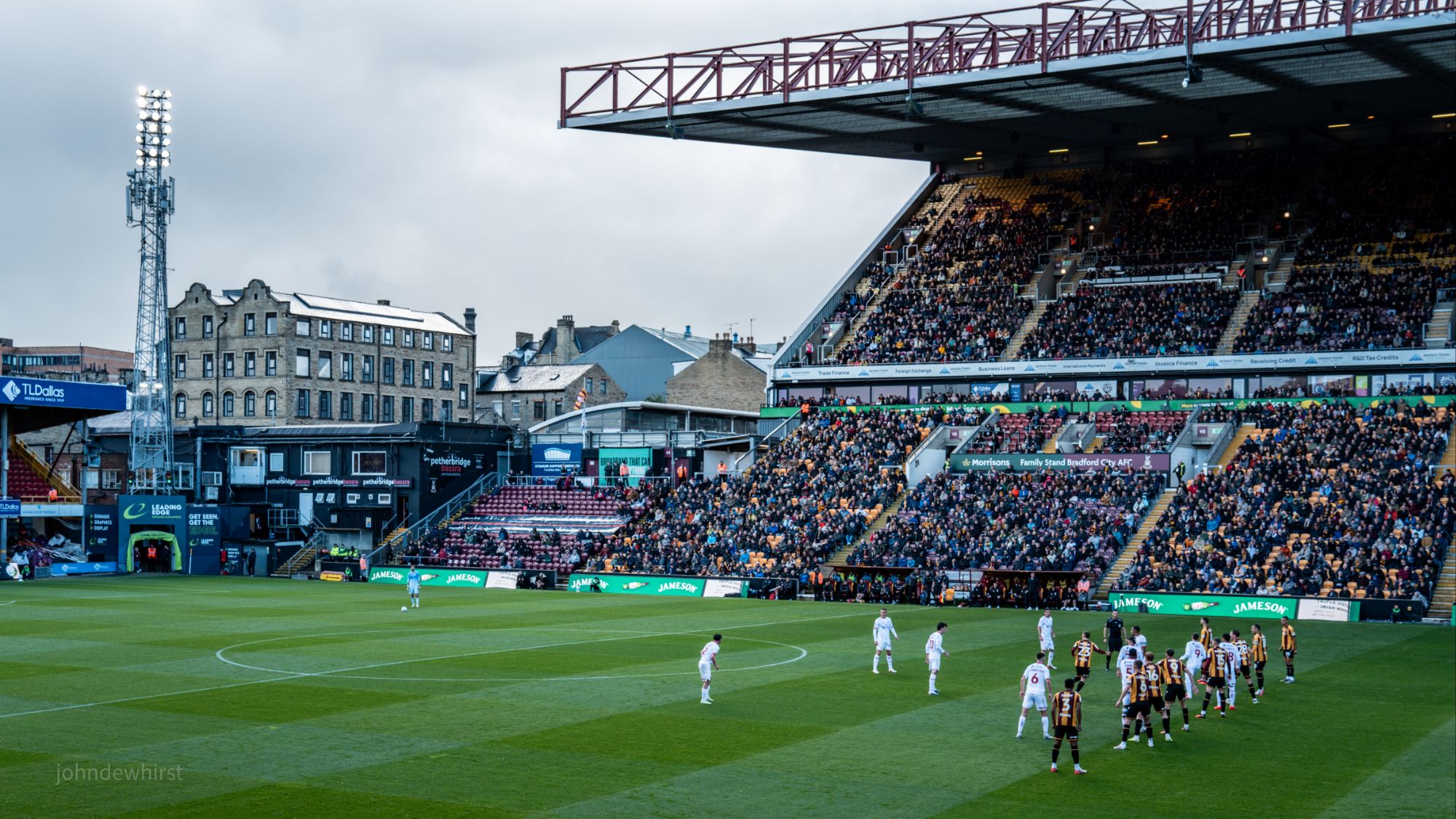
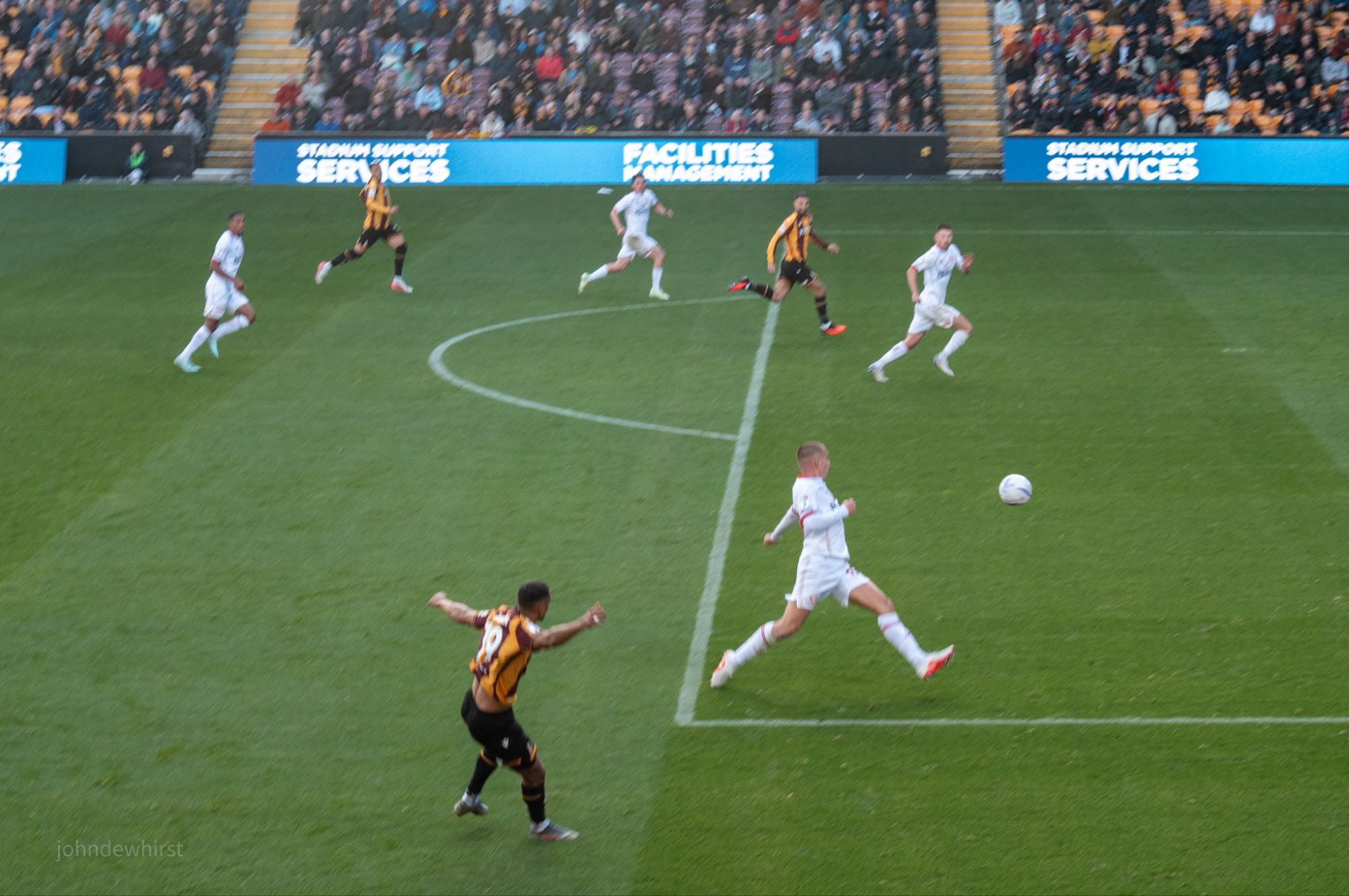
The result was a terrible, turgid game of football that had so little to like. This was less a spectacle than an obligation, football performed because technically somebody had scheduled some. There was just no pattern. No real excitement. No major talking points. The two sides managed nine shots apiece, only one of them registering as on target. And even that was a laboured effort from Orient right wing-back Fin Stevens, with the sting taken out by a deflection off a City player before it rolled into the arms of Jon McCracken.
It’s true that City did hit the woodwork. That rare moment of genuine excitement came when sub Nick Powell delivered a superb pass to Kayden Jackson, who crossed for Adam Phillips. The summer signing had to stretch to meet it and sent the ball past Nathan Baxter but not the crossbar. He should probably have scored.
Phillips was subbed off not long after following another mediocre display. The one City player with a genuine track record of playing for Duff will hope his Bantams career can get going under his old boss, but this wasn’t the most auspicious of new beginnings. He was in good company. No forward player emerged from this with any great credit. Jake Beesley battled hard and saw a first-half header cleared off the line, but got little change out of Orient’s backline. Bobby Pointon and wing-back Kayden Jackson had plenty of the ball in wide positions but lacked the creative spark to make it count.
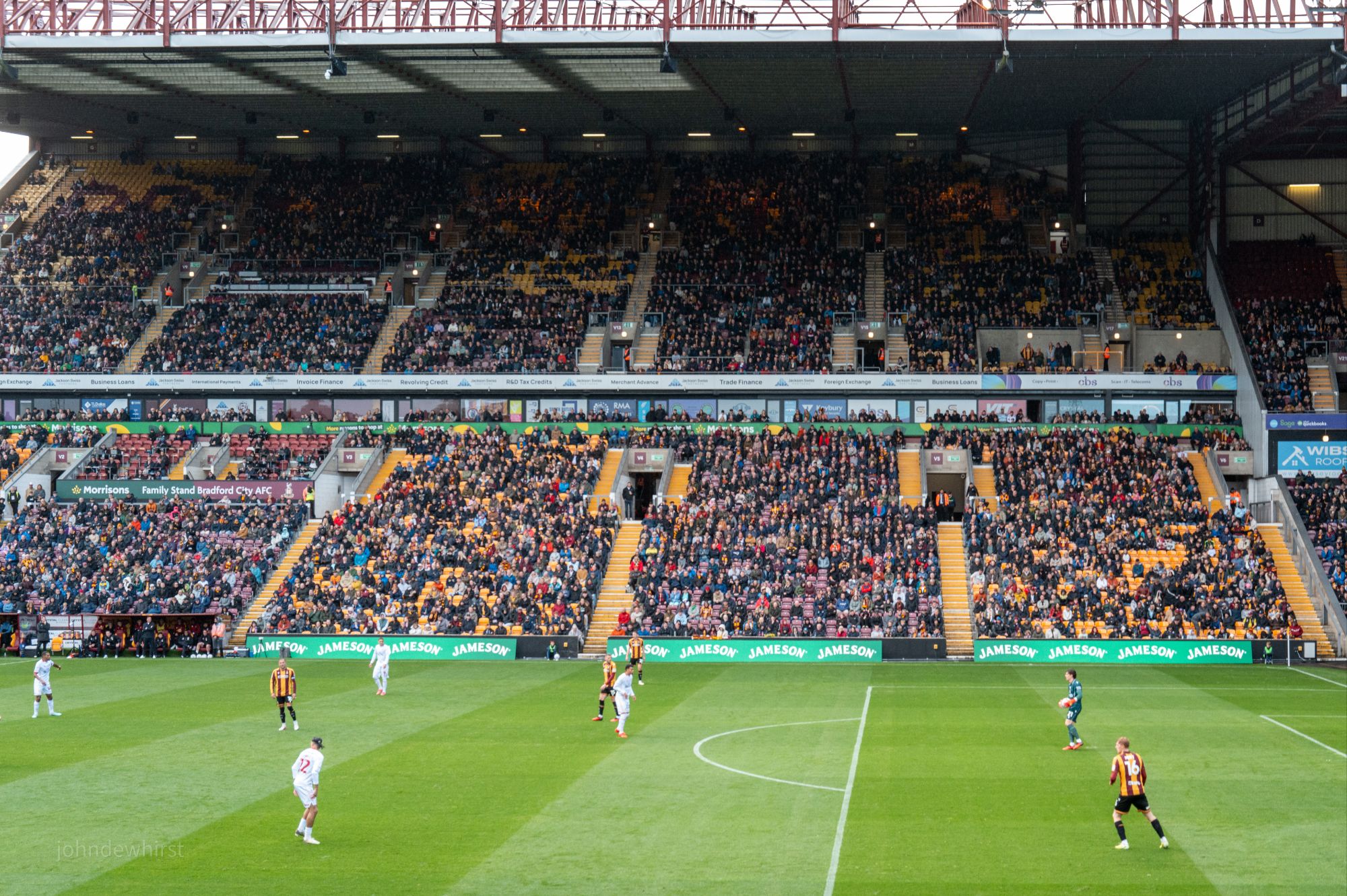
The problem was how heavily City relied on crosses to break the deadlock. They sent over 43, but a mere six found a claret and amber shirt. That’s a 14% success rate just for finding a team-mate, never mind fashioning a chance. Leyton Orient’s defenders were backed up by wing-backs dropping deep to make it a back five when they didn’t have the ball. And without any great support in the box, expecting an isolated Beesley to overcome those numbers was optimistic and ultimately futile.
That was the tactical trap City kept falling into. Orient conceded the areas they were happy for City to have, protected the ones that mattered and effectively invited them to attack in the least threatening way possible.
It all meant City had loads of the ball. Orient stood off and let them have it. Possession became less a sign of dominance and more the consequence of Orient’s game plan. Pointon, Jackson, Ibou Touray and Phillips battled gamely but were doubled up on and starved of room. Antoni Sarcevic showed flashes and had one effort fly just over, but this was a game where City’s number 8 needed to play as more of a number 10. Against opponents intent on surrendering territory anyway, there was little value in City having bodies where Orient weren’t trying to compete.
To bring the continuity point back, this is not a new problem. The Alexander era often saw City struggle against teams who parked the bus, gave up the ball and made games stop-start. Think back to the home game against Stevenage last April as one example.
City’s early rise to the top of League One this season with such a meagre goal return – now eight goals from nine games – has been an unusual quirk. Top of the pile, yet one of the division’s lowest scorers. At some stage City’s lack of attacking bite was always going to come into focus. Duff is therefore slightly unlucky that his first league game in charge turned out to be exactly that type of fixture where it would be exposed. It’s unrealistic to expect him to solve a long-standing problem Alexander himself struggled with, in the very first week of the job.
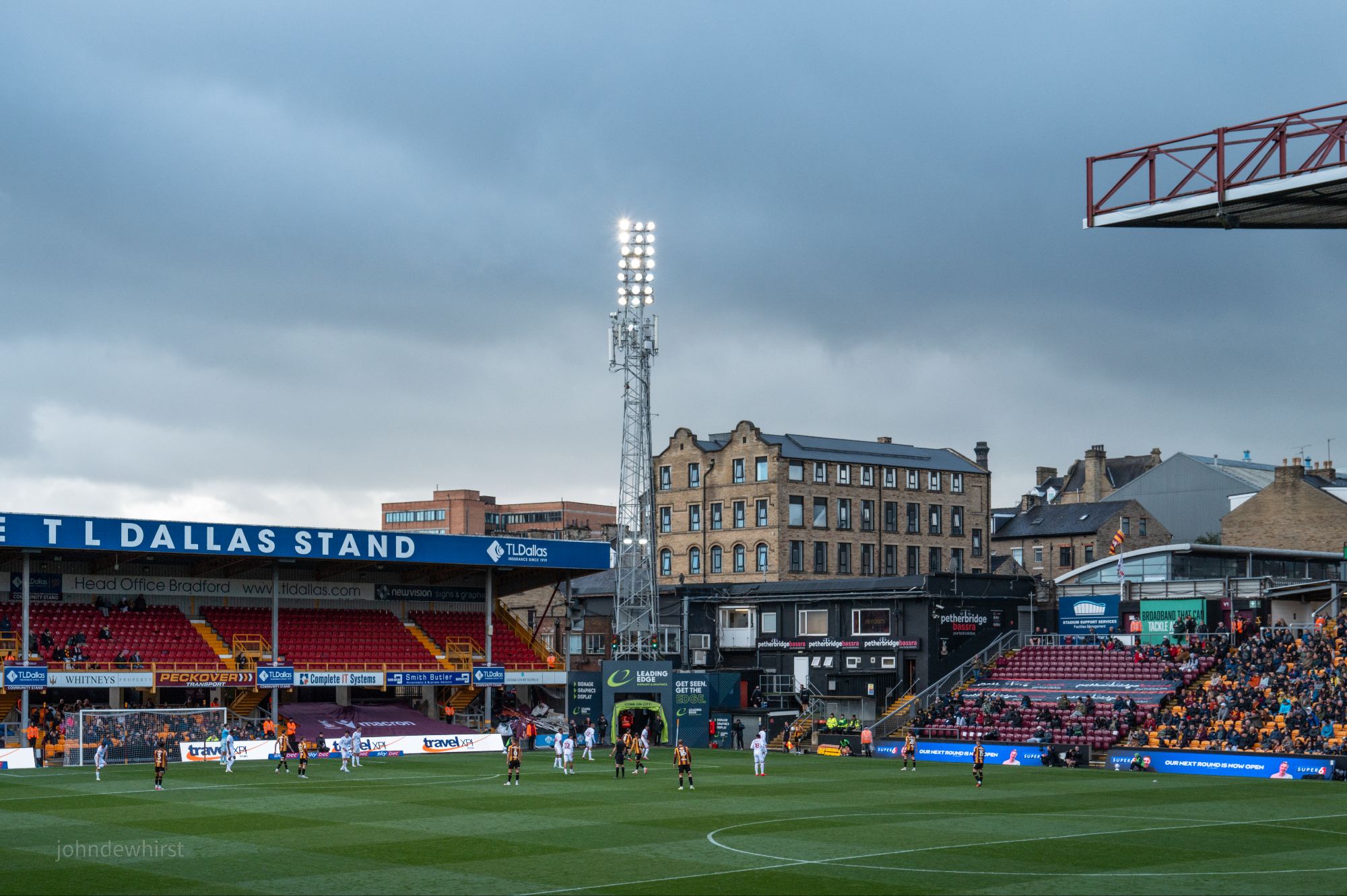
That all said – to be uber-critical – perhaps the continuity candidate took continuity a little too literally here. One of the solutions Alexander put forward to boost City’s attacking prowess during games was to mix up formations and throw on more forwards. Here, similarly, the situation seemed to demand more risk and greater willingness to adapt a plan that wasn’t really working.
Duff brought on Powell for Beesley, Will Swan for Phillips and Corey O’Keeffe for Touray. Each change was essentially like for like. Safe switches at a moment that seemed to demand something bolder. Perhaps as Duff studies the blueprint Alexander left behind, he missed the bit about knowing when to deviate from it.
Given Duff has spent most of his managerial career playing 3-5-2, you suspect it won’t take too many afternoons like this for him to roll the dice and imprint his own ideas on how to make a City more potent force. So worry we shall not. Nor shall we expect Duff’s solutions to mirror exactly what Alexander would do.
Indeed, as City toiled hard to attack with rhythm but stood resolute at the back – Aden Baldwin was once again excellent – the opportunities to use continuity to push forwards became clear. We don’t do Duff any favours to pretend everything was perfect under Alexander. And as fine as a start to the season City made under their former boss, it did mask some of the attacking weaknesses that sooner or later would have to jump up the priority list.
Duff inherits an incredibly strong hand, but not a perfect one. City are not the finished product. And perhaps that is the most useful thing to come from such an instantly forgettable afternoon: the continuity candidate has already been shown where continuity alone won’t be enough.
Categories: Match Reviews
 A comfortable view for Duff as Bradford City’s transition rolls on
  Life goes on: Bradford City answer uncertainty with resilient display
  The Superest of Super Subs does it again
  1-0 to the Bradford Boys

Considering he’s probably had 1, maybe 2, training sessions, it’s understandable Duff stuck to what has been done before and didn’t decide to deviate during the match. Thursday is usually the team’s day off but they’d have probably had Wednesday off, given they played Tuesday, so maybe they trained Thursday and Friday this week.
I was wondering if he was going to go 2 up top, and would have welcomed it, but imagine he wants at least a week before he starts changing things.
Ultimately, on many other days, Phllips scores and we get a 1-0 win. It was a poor match to watch, but, I’d put that to how Orient played, we all know how we struggle when we dominate possession (wonder how Duff’s teams compare with that stat?) and I imagine Wellens was all too aware as well. Of course, that is one of the challenges for us, how can we be better at breaking these teams down? We lack the pace without Wright, Neufville and Humphrys to stretch teams that sit deep. We don’t have a deep lying playmaker. So, these teams will regularly pose us problems.
On a side note, Connolly was very close to punching us to a last minute winner, I’d have been fascinated to see what would have happened if that went in?? The ref didn’t punish him or even speak to him and the Lino didn’t flag, so perhaps he’d have got away it…